Deployment
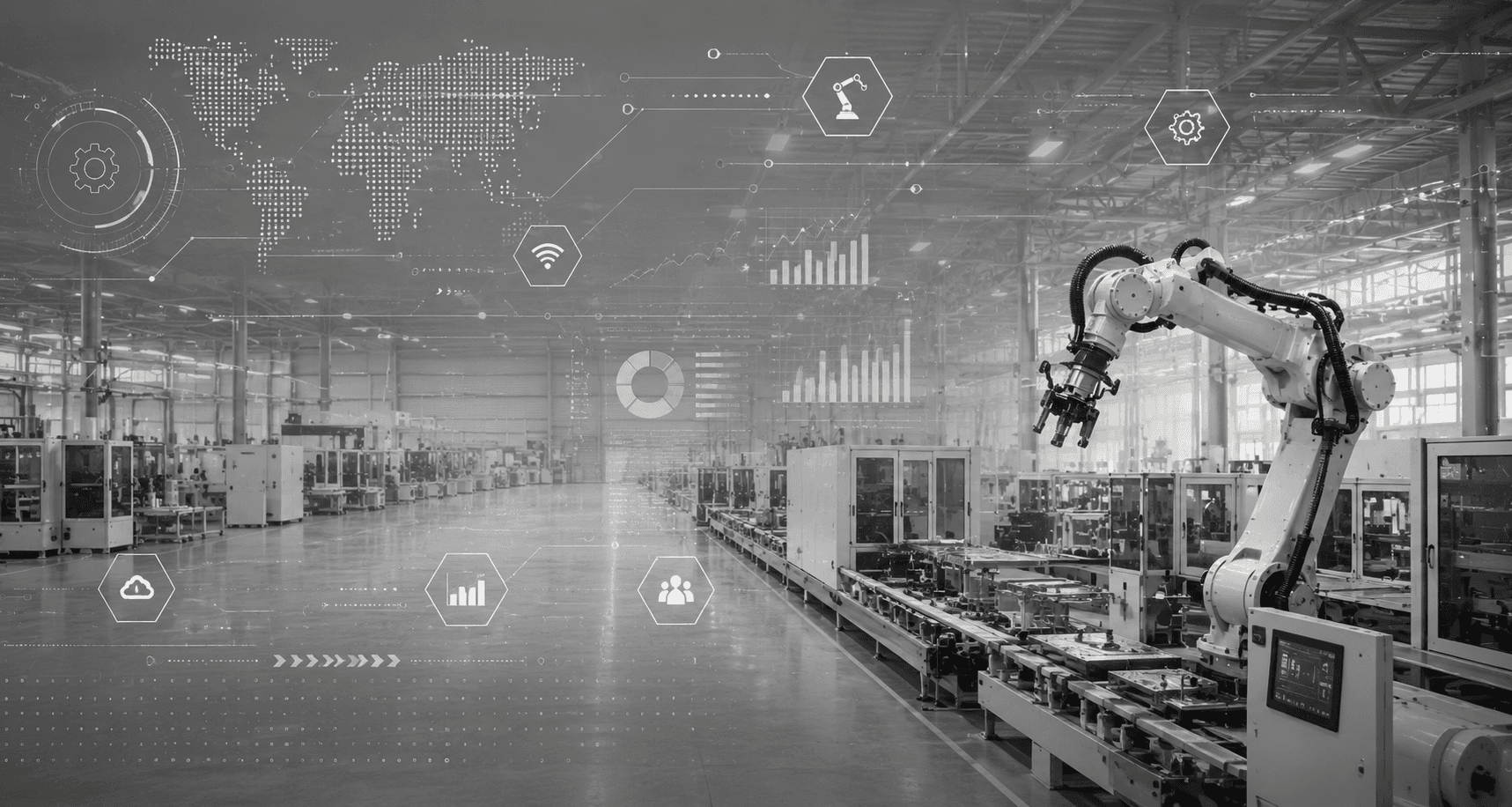
Stellantis Goiana runs 30+ AI apps on one data layer
The Stellantis plant in Goiana, Pernambuco built an industrial data architecture on its existing Siemens infrastructure that now supports more than thirty AI applications. Standardising data collection, context and sharing cut integration timelines from months to weeks.
The gain came from data plumbing, not a new model. The talk was co-presented by vendor HighByte, so treat figures as self-reported.
Deployment
A model that works at one factory breaks at twenty
IIoT World argues a model that works at one factory relies on known data, a few systems and one team controlling scope. At 20 factories it hits inconsistent tag names across MES, misaligned clock signals in data pipelines and no shared data definitions.
Before taking a pilot to plant two, audit tag naming and timestamps; scale failures start in the data, not the model.
Workforce
72% of manufacturers use AI, only 10% at scale
Parsec's 2026 report finds 72% of manufacturers have adopted AI in some form but only 10% have deployed it at scale. Grant Thornton's 2026 AI Impact Survey says the governance gap is wider, with 62% focusing AI on operations.
Most adopters are still short of scale; set the governance bar before widening a pilot, not after.
Quality
Merck: pharma AI records must meet ALCOA
At the Industrial AI Summit 2026, Merck's Adam Procopio explained how ALCOA, the data integrity standard governing every pharmaceutical record, applies to AI-generated records. When an agent recommends a process change, the defensible record of how it got there is the product.
In regulated plants an AI recommendation without an auditable trail is unusable; log inputs and reasoning from day one.
Agents
Autonomous AI doesn't fit OT security, says OPSWAT
NERC CIP-007, IEC 62443-2-3 and NIST SP 800-82 all require documented human authorization before security changes reach production. OPSWAT argues AI belongs at the analysis layer in OT, not acting autonomously as it can in corporate IT.
Use AI to triage OT security alerts and keep human sign-off on production changes. OPSWAT is a security vendor, so read accordingly.